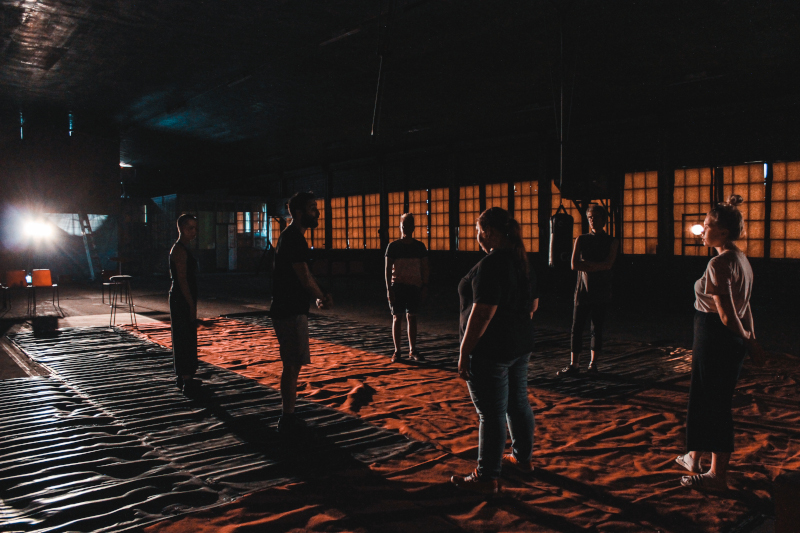
pierre depaz - 13.11.2020
what do computers do to
-> representations
-> meaning
-> and knowledge
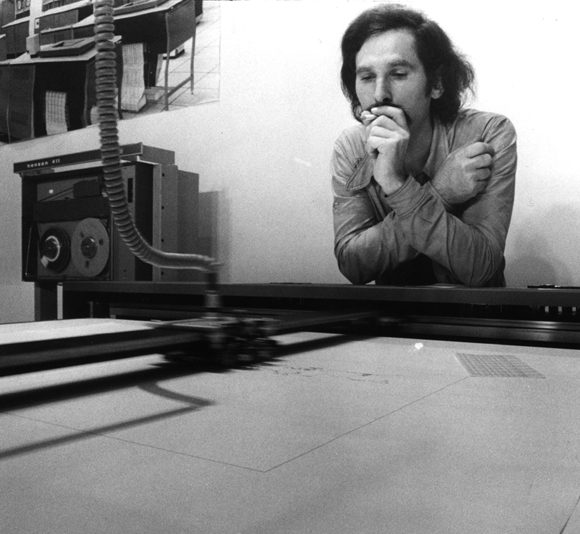
manfred mohr, 1971
from this question, i've wondered how we can teach things to computers about the world and, in return, what do the computers do to our perception of the world?
approaching the question through academic research and artistic practice, around the themes of simulation, communication and languages.
break
writing expressive code
the way i'm going to answer this question is going to be by weaving research approaches and practical experiments, and share some partial conclusions that i've had so far.
in the second part, we'll focus on a common writing exercise, how we can express complex concepts through source code.
i started with political science and media studies,
then went on to design and develop games,
and have been oscillating between research, practice and teaching ever since.
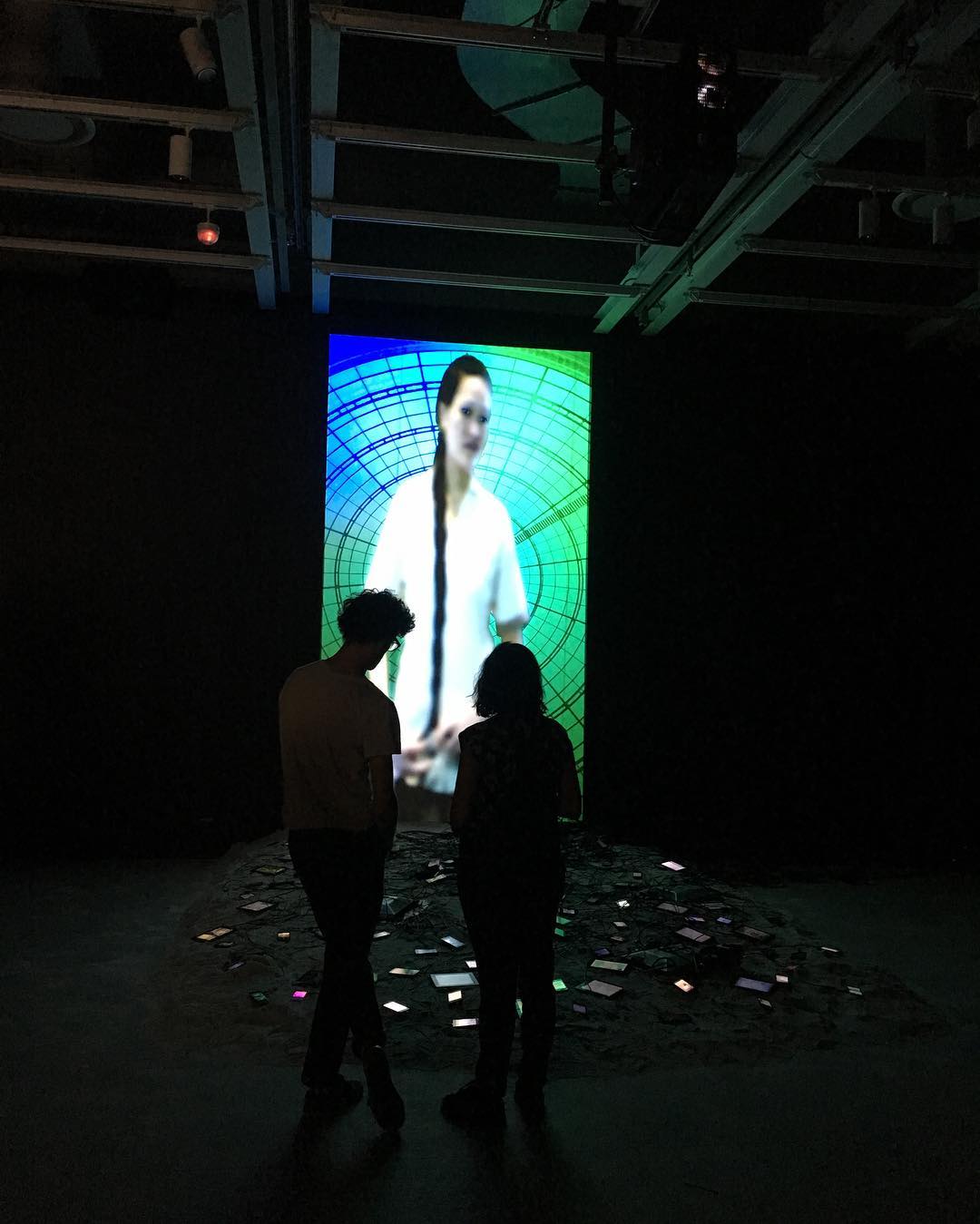

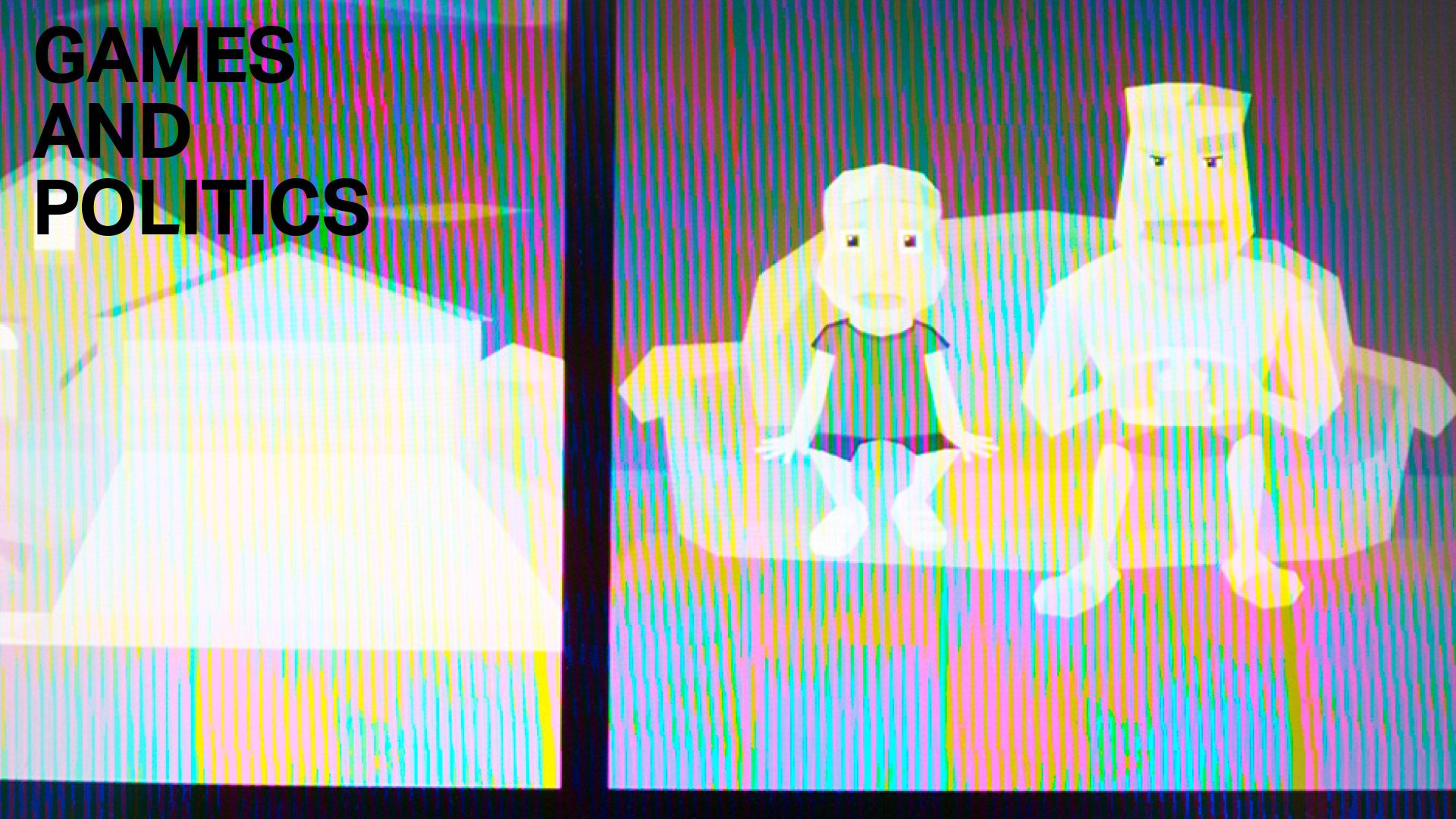
political and playful rule-making


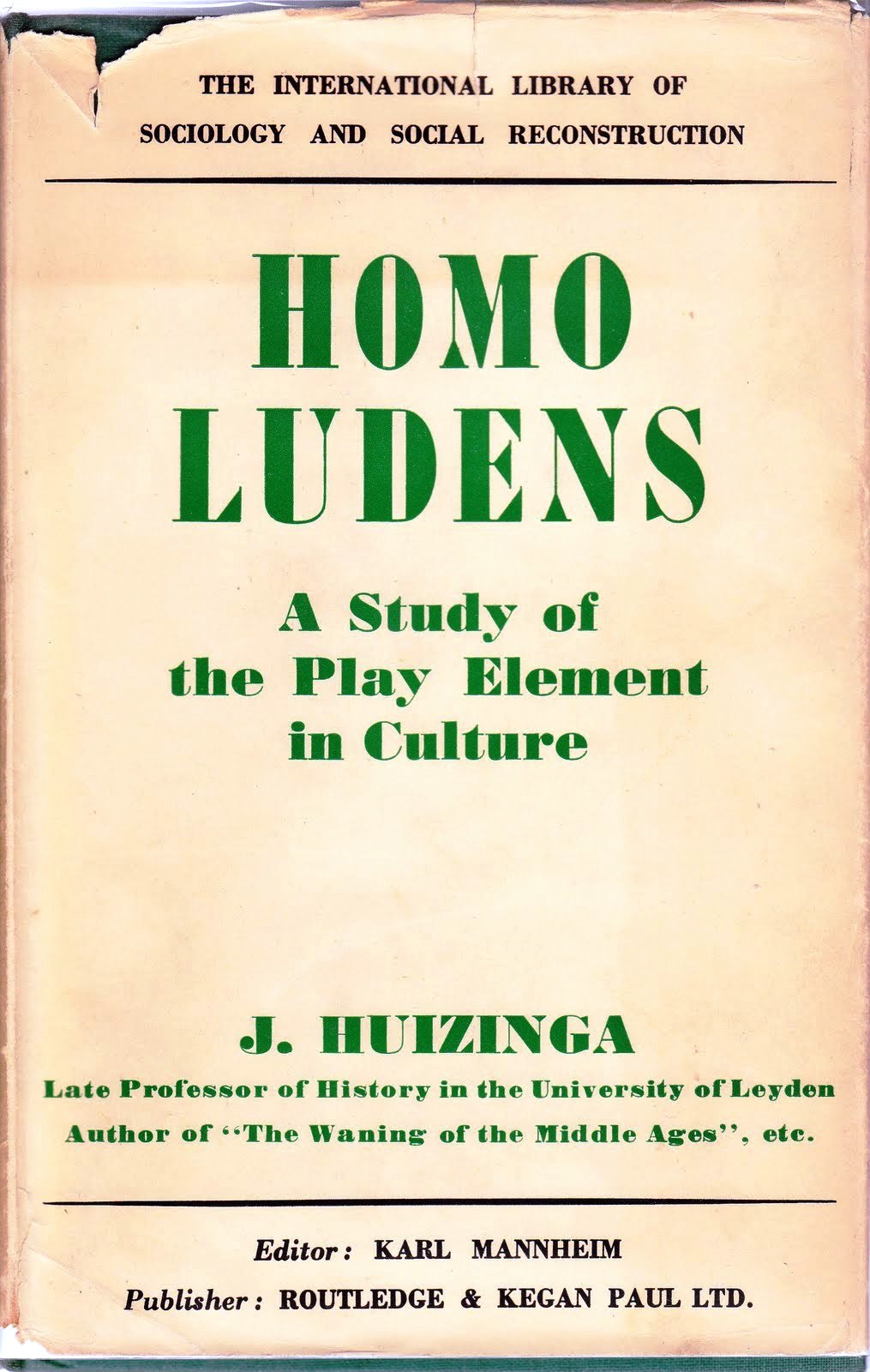
political science was first and foremost an interesting way to look at the rules that govern our real lives, like Rousseau laid out in his book "The Social Contract". Moving to game design was a shift towards the rules that govern our virtual lives, and developing an understanding that, perhaps, most aspects of human culture derives from rule-based play.
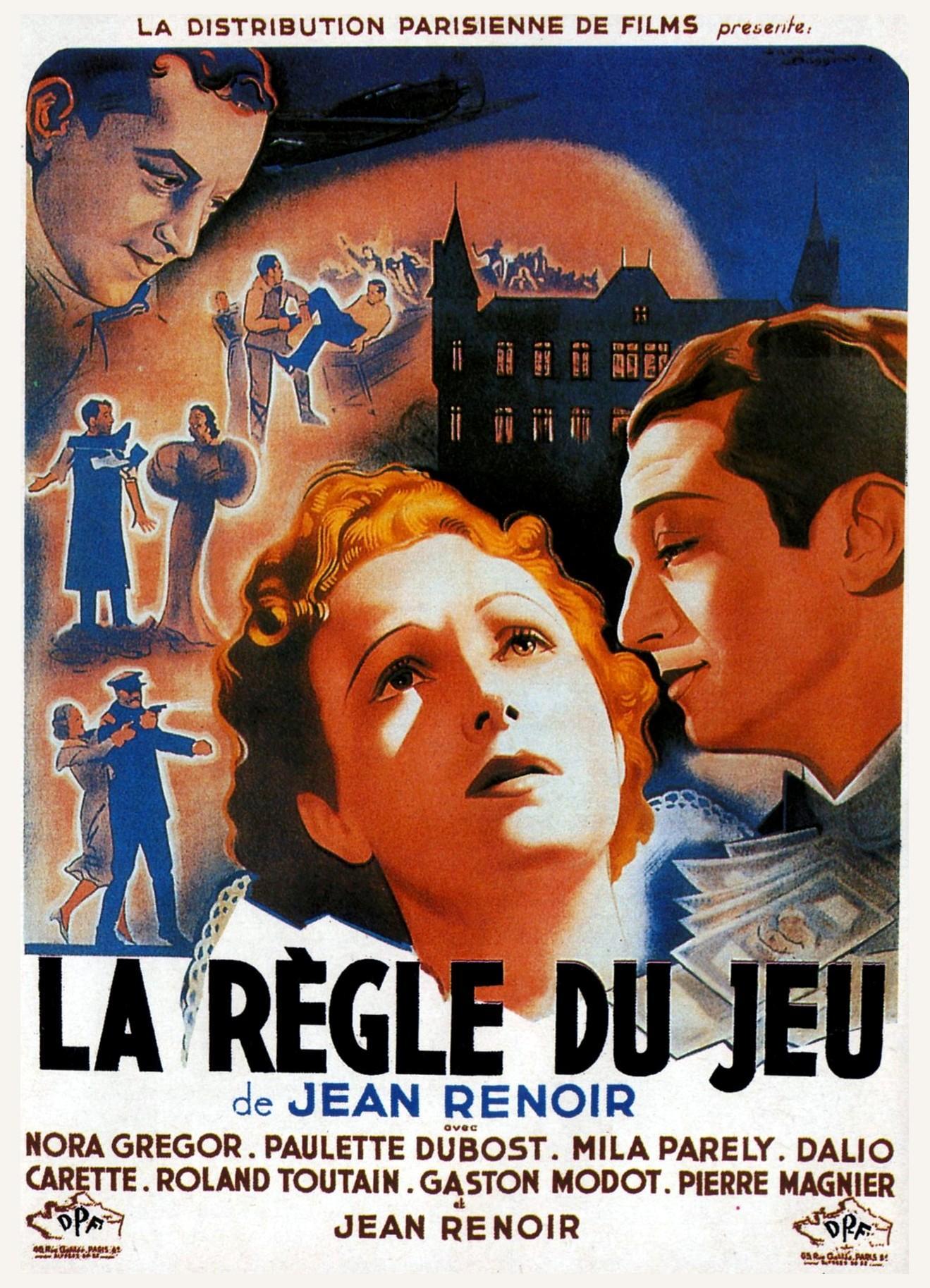
finally, this early movie, by jean renoir, is an example that most areas of our lives are a rule-based performance, including romantic relationships.
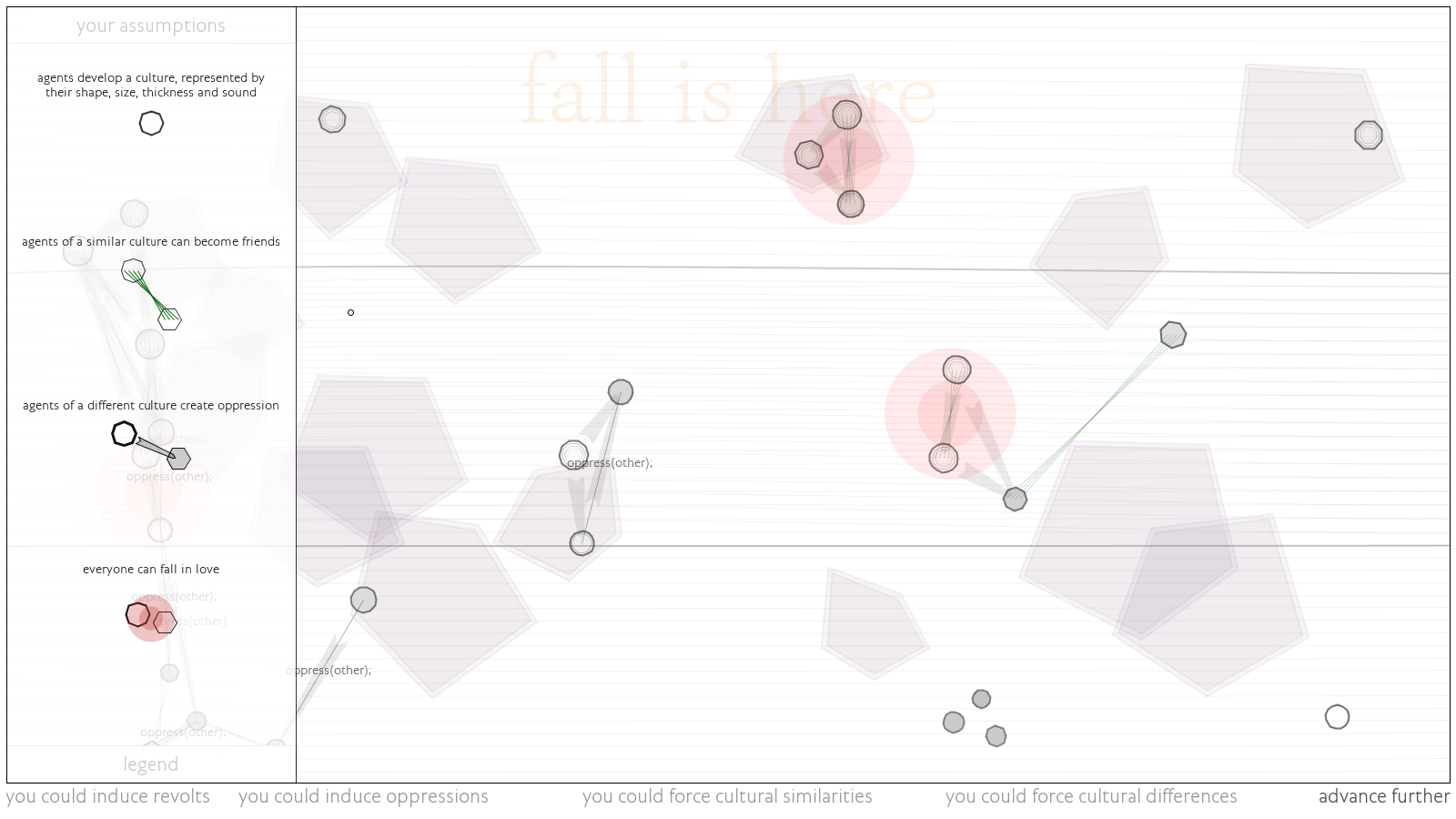
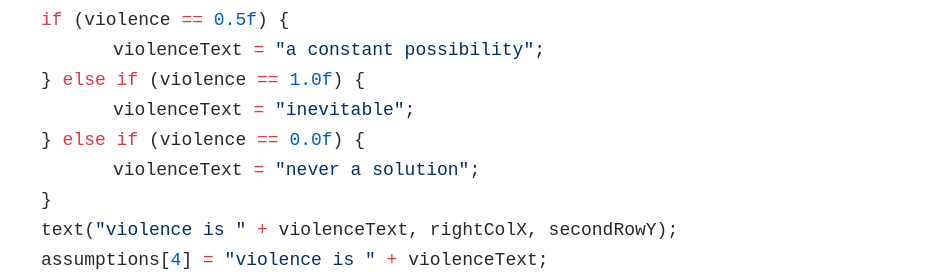
simulated assumptions, written code and player interpretation.


mimicking europe, presenting it, from abstract ideas to more concrete situations


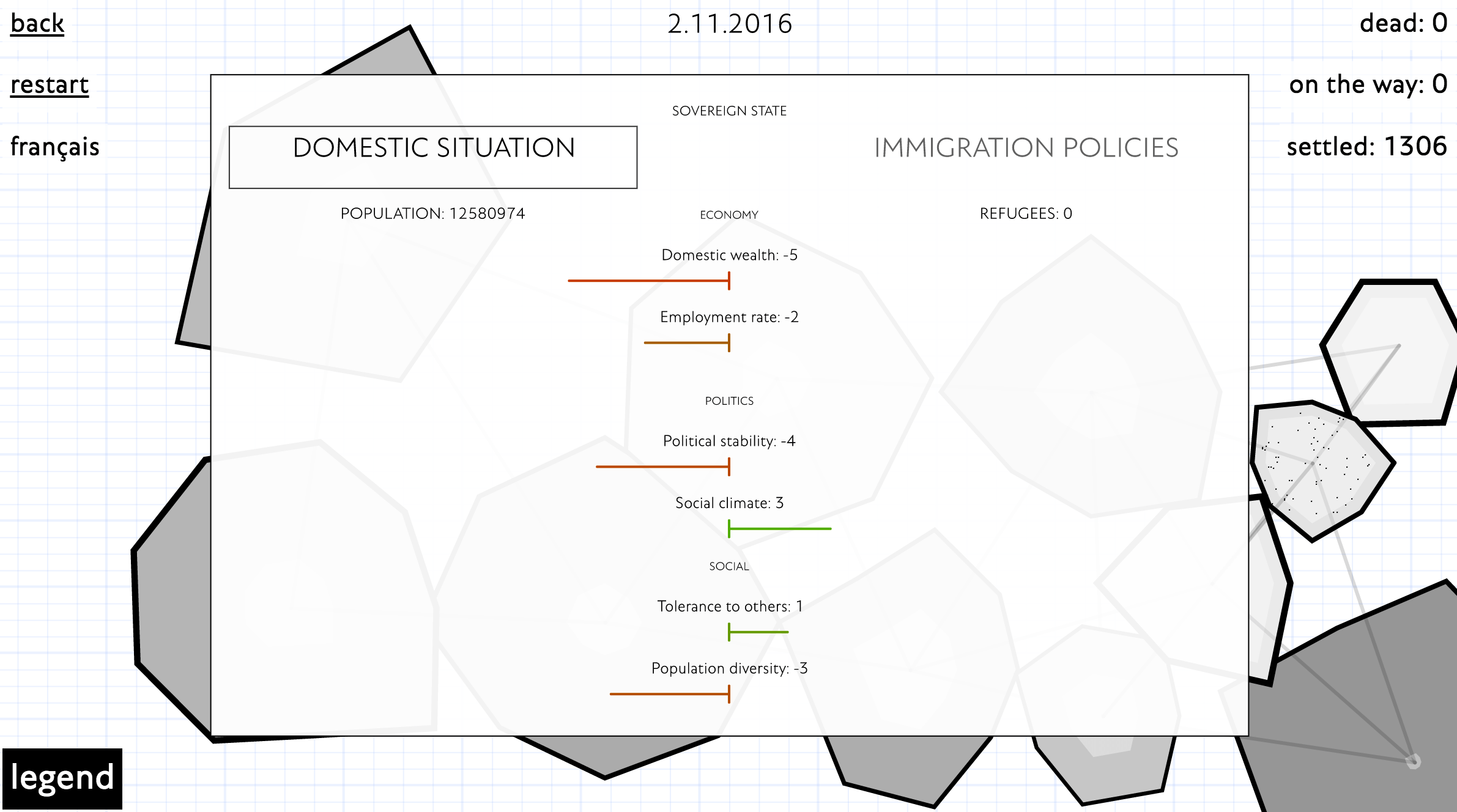
this work culminated into a piece exhibited in brussels about simulating the tradeoffs of opening or closing EU borders, and into an article for an exhibition at the ZKM in karlsruhe.
people take rules for granted
the power of self-reference
the fact that people take rule for granted means you can explore and suggest new behaviours through the elaboration of rules, pushing people to adopt new roles.
the illusion of self-reference is the fact that systems work within themselves, that they refer to themselves, or only refer to external components through their parsing into computable terms.
moving across an ocean, made me think
to what extent do the means of communication affect the ends of communication?
skype heartbreak show, an interactive piece about the CRUD of intimate memories.

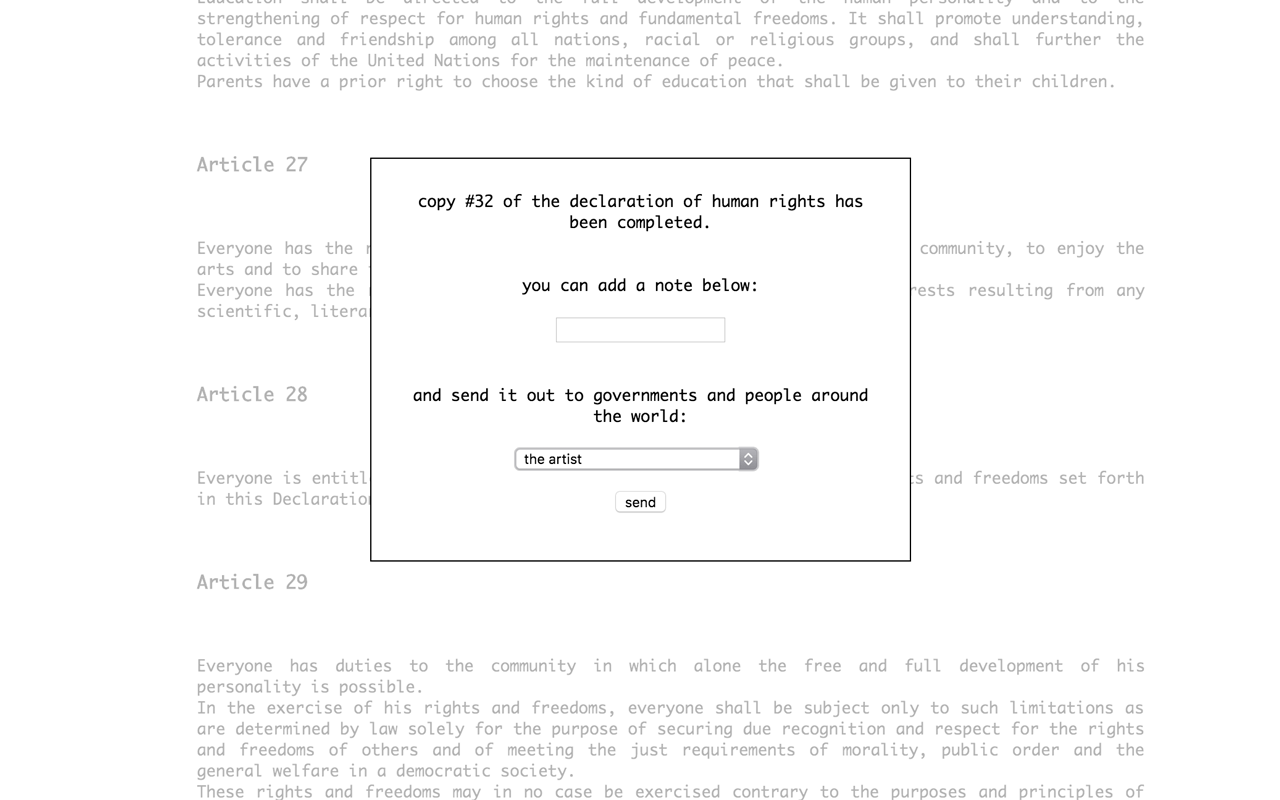
mechanical rights, the automation of invisible work and communication overload.

langat, a theater residency about controlling/interrupting human beings.

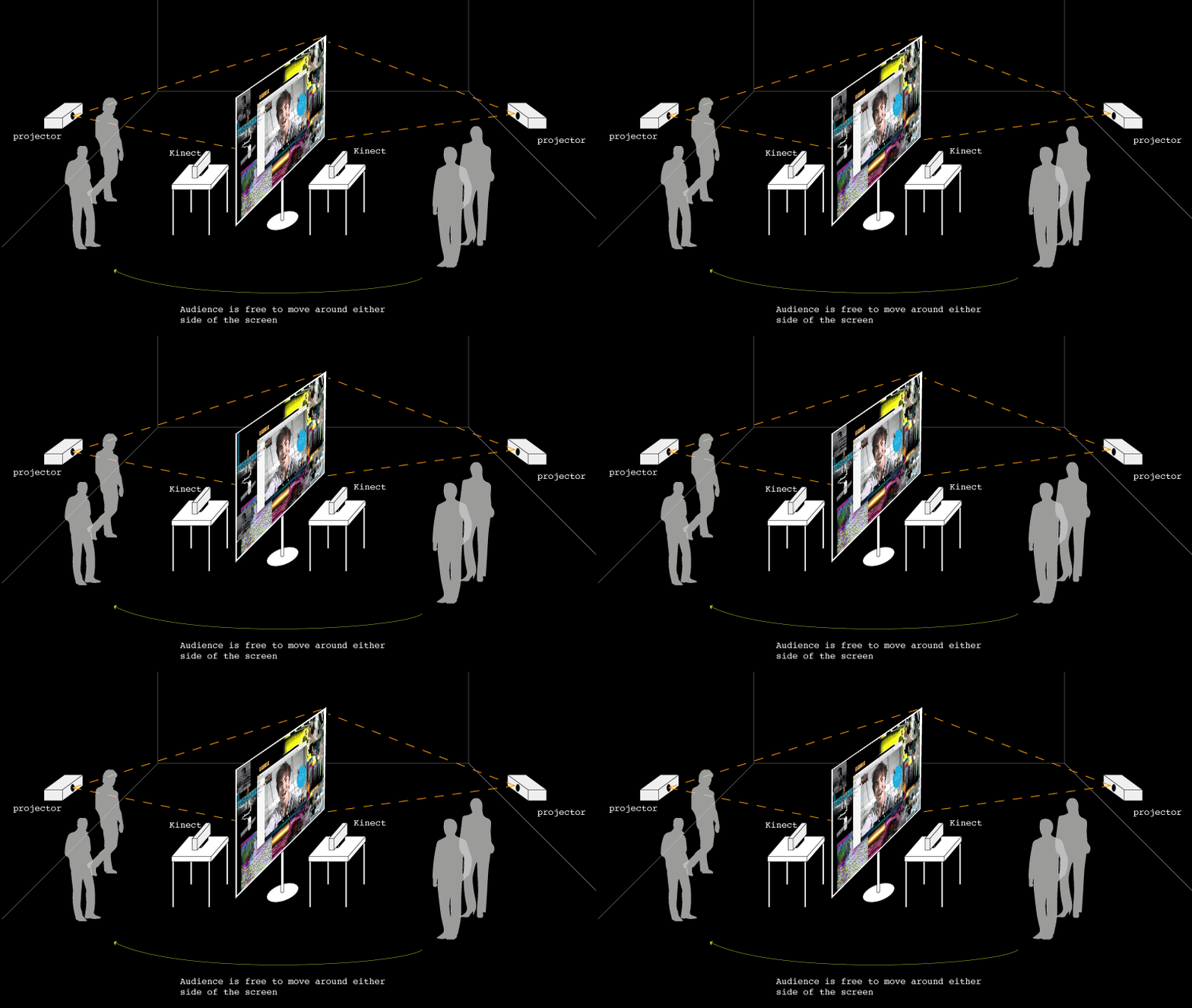
tty2020, a current research project in collaborative, distance-writing.

TTY2020 is currently on view in Berlin, until 23.11.2020.
network technologies bring about new kinds of writing.
does it bring us closer together?
there are good kinds of writing: the death of the author, the collaboration of all, self-expression, a radically democratic dimension.
bad kinds: targeted writing, graphic writing, fake news as a result of the "illusion of the interface" (i.e. if it looks proper, it's probably understood as being proper)
examples: enron emails, wattpad, read.write.as, uncreative writing.
storage and retrieval has a particular stance, it is generative; it creates what it is supposed to measure.
and insertion of data isn't always equal, from objective knowledge to subject individualities—traces of a story.
"god is in the details" vs. "the devil is in the details" = network communications bring joy and wonder in the details, and provide some sort of hope for the world.
particularly, the format of wikipedia doesn't prevent us from seeing a love story peek its head out of the rational, objective knowledge-presentation of the website.
data only becomes information through interpretation.
the medium doesn't exist without context.
“Human speech is like a cracked kettle on which we beat out tunes for bears to dance to, when we long to move the stars to pity.” -gustave flaubert, trad. lydia davis
madame bovary
i.e. we always say the same things, in different ways. and i'm not sure there is progress, but rather improvement (changing configurations to slowly harm less and less people).
the part about data and interpretation has multiple implications: data is useless, and everywhere. interpretation is somewhat inherently subjective (some interpretations are stronger than others). it can support existing worldviews, but also additional, utopian ones.
the decontextualization and recontextualization is about changing frames of perception, and gaining a new understanding on the topic. something that means nothing to me can mean the world to someone else?
in the end, everything on a computer is a text file
...does it matter if they're beautiful?
sub Skills_Purna(){
Skill("TeamSpirit1Purna");
Skill("SharpApprenticePurna");
Skill("TeamSpirit2Purna");
Skill("FeministWhorePurna");
Skill("MeleeDurabilityPurna");
}source: Data0.pak\Data\default_player_setup.scr, Dead Island, TechLand, 2011.
so even though the code gets turned into binary digits/voltage current by the computer, does it still matter what the words mean?
instead of relating to computation, to human <- -> machine communication, they relate to human/human communication. and that communication brings us to digging deeper into cognitive structures.
this started with a first project called 250.js, highlighting the creative constraints of programming languages to express non-programming concepts: it both hinders (contracts) meaning, but also hints at (expands) other meanings.
what are the relationships between code and literature?
there is definitely a formal relationship, there are words, and they kind of mean something, they read somewhat like english.
but they also evoke something beyond those mere words (again, similar to literature).
it's also a way from programmers to refer to themselves as artists/craftspeople, and connect to a longer history of making and thinking beyond the sciences.
trying to express life in computationally correct code.
this project culminated into the coroutines book.
the current thesis project is focused on what role do aesthetics play in understanding source code: does it facilitate the communication of concepts? does it do so always in the same manner? to what extent do aesthetics always need to be functional/efficient/purposeful?
a good artwork works.
As in, a good artwork communicates some concept, some version of a concept, which enriches our own understanding. By this definition, art works that do not change our understanding of a thing aren't artworks in themselves (what makes an artwork good is a different story).
I find this definition helpful as an alternative to the development of "art of art's sake", in which the artwork doesn't have to justify anything beyond itself.
by breaking things down, computers are prosthetic organs of philosophy
beauty and fiction are about understanding, about synchronizing mental structures (e.g. "do you get it?")
algorithms are only as dangerous as the social context they support
technology is perhaps more of a symptom than a cause, in a lot of cases.
simulating virtual worlds,
communicating visions and ideas through dynamic, multimedia environments,
learning about the world and about ourselves in the process.
break!
the process of describe non-computational concepts through computational means.
we're going to write short code poems to stimulate our imagination.
-> write a class for:
Love()
(including both attributes and methods)
-> write a script using these particular classes
let this_love = new War()
this_love.begin()
...